
For many adults living with Autism and ADHD (AuDHD) in the Pacific Northwest, the world can feel like it has the volume turned up to maximum capacity. Between the constant hum of traffic on I-5, the flickering fluorescent lights at the grocery store, and the persistent dampness of our rainy season, sensory input is everywhere. But when you are neurodivergent, this isn’t just background noise—it can be a source of genuine physical distress.
If you have ever felt nauseous at the thought of brushing your teeth or felt a flash of rage because your socks were slightly twisted inside your boots, you are not being dramatic. You are experiencing a valid neurological response. Navigating the world with an AuDHD brain often means bridging the gap between clinical advice, which often suggests you just need to “get used to it,” and your lived reality, where specific textures or smells can be debilitating.
Why Your Body Feels ‘Wrong’ (The Science of AUDHD Sensory Processing)
Sensory processing differences in AuDHD brains are not behavioral choices; they are biological realities. In a neurotypical brain, sensory filters work to prioritize incoming data, dampening the feeling of a shirt tag or the hum of a refrigerator so the person can focus on other things. For many Autistic and ADHD adults, those filters are wide open. Your brain receives all the input, all the time, with equal urgency.
This flood of data can lead to immediate somatic reactions. It is not uncommon for sensory triggers to cause gagging, dizziness, bowel urgency, or even physical pain. When we force ourselves to endure these triggers for the sake of appearing “normal,” we are engaging in masking. While you can discover how the exhaustion of autistic camouflaging impacts mental health, it is equally important to recognize that this suppression often leads to a physical crash later in the day.
The Sensory Survival Toolkit (By Category)
Instead of trying to desensitize yourself to pain, the goal is to lower the “activation energy” required to get through the day. By modifying your environment to fit your nervous system, you save precious energy for the things that actually matter.
Tactile & Clothing: Solving the ‘Bra’ and Fabric Crisis
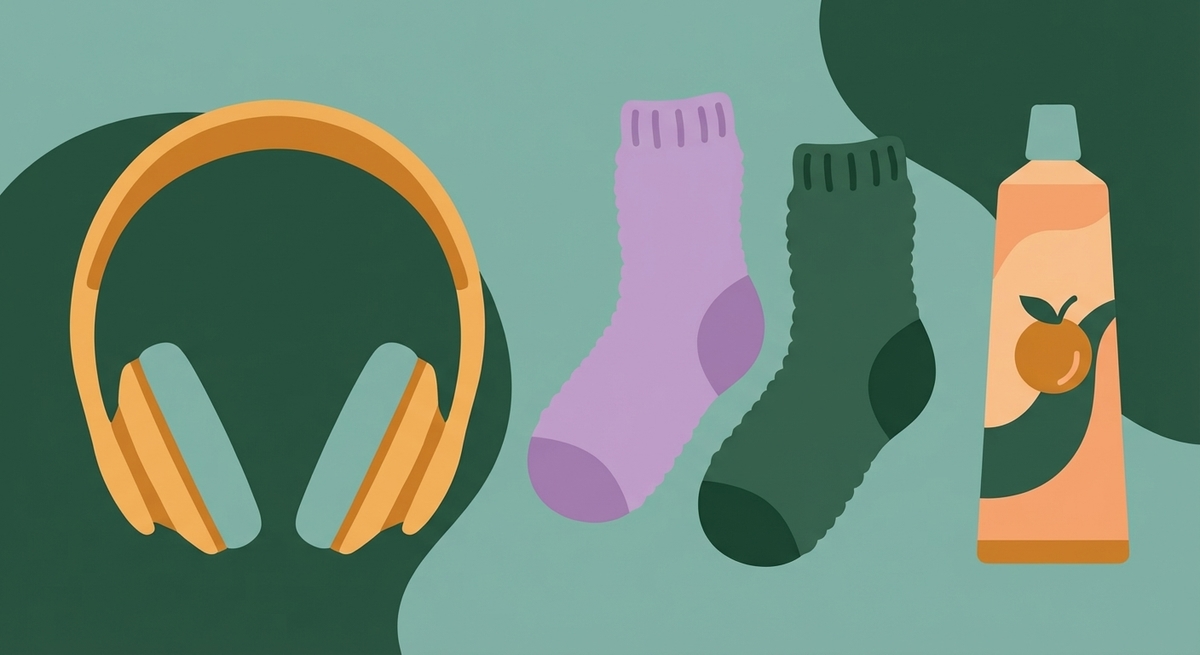
Clothing is one of the most frequent sources of sensory aggression. The sensation of a tight waistband or a structured bra can feel like a physical restraint, leading to irritability and panic. The solution is to prioritize somatic safety over fashion norms. Look for seamless compression tops or camisoles that offer support without the digging wires of traditional bras.
For feet, the “seam battle” is real. If you cannot tolerate the line across your toes, switch to seamless socks immediately. Furthermore, in our damp PNW climate, wet socks can end a day before it starts. Always keep a spare, dry pair in your bag or car. If a fabric feels wrong, trust that signal. You do not need to “wear it until you like it.”
Gustatory & Olfactory: Handling ‘Safe Foods’ and Mint Aversion
A massive, often unspoken barrier to dental hygiene for neurodivergent adults is the intense burning sensation of mint toothpaste. The strong flavor can be overwhelming to the point of pain. The hack here is simple but permission-giving: stop using mint. Switch to unflavored toothpaste or fruit-based kids’ toothpaste. Clean teeth are the goal, and the flavor of the paste is irrelevant to the hygiene outcome.
Similarly, smells can be a major hurdle for household chores. If the smell of cleaning chemicals makes you gag, or the process of setting up a vacuum cleaner feels impossible due to executive dysfunction, remove the friction. Use a cordless hand vacuum to bypass the “plugging in” step. Use scent-free wipes. If you lower the barrier to entry, the task becomes manageable.
Visual & Object Permanence: Organizing Without Hiding
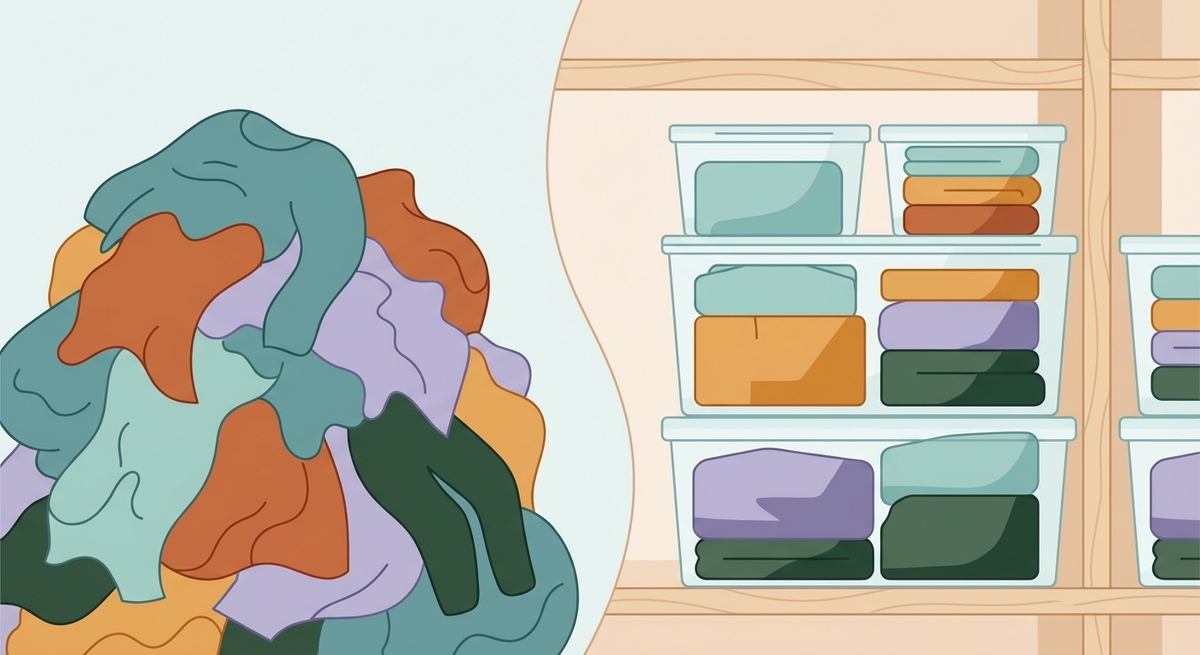
The AuDHD brain often struggles with a conflict: you need things to be visible to remember they exist (object permanence issues), but too much visual clutter causes anxiety. If you put your clothes in a drawer, you might forget you own them. If you leave them in a pile, the room feels chaotic.
The fix is “Visual Accessibility.” Use clear bins for storage so you can see the contents without the visual noise of a pile. Consider open wardrobes or hooks rather than hangers, which require more fine motor steps. Limit the quantity of items visible at any one time. This supports your executive function without overloading your visual processing.
Comparison Table: Neurotypical Advice vs. Neurodivergent Reality
Traditional advice often fails AuDHDers because it assumes the sensory issue is a mindset problem rather than a nervous system regulation issue. Here is how we reframe those struggles.
| Neurotypical Advice | Neurodivergent Reality | The AuDHD Fix |
|---|---|---|
| ”Just try a little bit, you’ll get used to it.” | Exposure causes distress and shutdown. | Accommodation. Remove the trigger (e.g., cut the tags off). |
| ”You have to eat a balanced meal every time.” | Inconsistent textures cause nausea. | Fed is best. Multivitamins + “Safe Foods” (even if beige) keep you fueled. |
| ”Don’t be lazy, put your things away properly." | "Away” means “gone forever” (Object Permanence). | Visual Systems. Clear bins and open shelving keep items in mind but tidy. |
| ”Mint makes your breath fresh.” | Mint burns and prevents brushing. | Flavor Swaps. Strawberry or unflavored paste ensures the teeth actually get brushed. |
Managing ‘The Ick’: Immediate Steps for Acute Overload
Sometimes, despite our best planning, the overload hits. You might feel the “ick”—a sudden, intense repulsion to your own skin, clothes, or surroundings. This is often a sign that your nervous system has hit its limit. When this happens, logic won’t help; you need somatic regulation.
Step-by-Step: What to do when you feel the ‘Physical crash’
First, reduce the input immediately. If you are at home, turn off the overhead lights. Overhead lighting is often too harsh for a dysregulated system; rely on soft lamps or natural light if it’s not too bright outside. If you are in public, noise-canceling headphones are a non-negotiable tool. You can learn practical strategies for managing sensory overload by incorporating these tools proactively, but they are also vital for emergency regulation.
Next, address the temperature. Dysregulation often messes with our interoception (internal body sense), making us suddenly freezing or overheating. Change into your safest, softest clothing. Finally, allow yourself to eat “beige foods.” Craving bland, predictable textures like crackers, bread, or potatoes is a safety mechanism, not picky eating. It provides your brain with a predictable sensory experience when the rest of the world feels chaotic. Especially during those long, grey months, a sensory survival guide for Autistic and ADHD adults can be essential for weathering the storm.
At Haven Health, we know that sensory processing isn’t just about preferences; it’s about your ability to function and feel safe in your body. If you are struggling to understand your sensory profile or need support navigating a diagnosis, we are here to help you make sense of it all.
Ready to Learn More?
If you’re exploring neurodivergence, Haven Health offers validating, non-pressuring Adult Autism Assessments and ADHD Assessments in the Pacific Northwest. Reach out today to start your journey.
This content is for educational purposes only and is not a substitute for professional medical advice, diagnosis, or treatment. If you have concerns about autism, ADHD, or any other health condition, please consult a qualified healthcare provider.


