
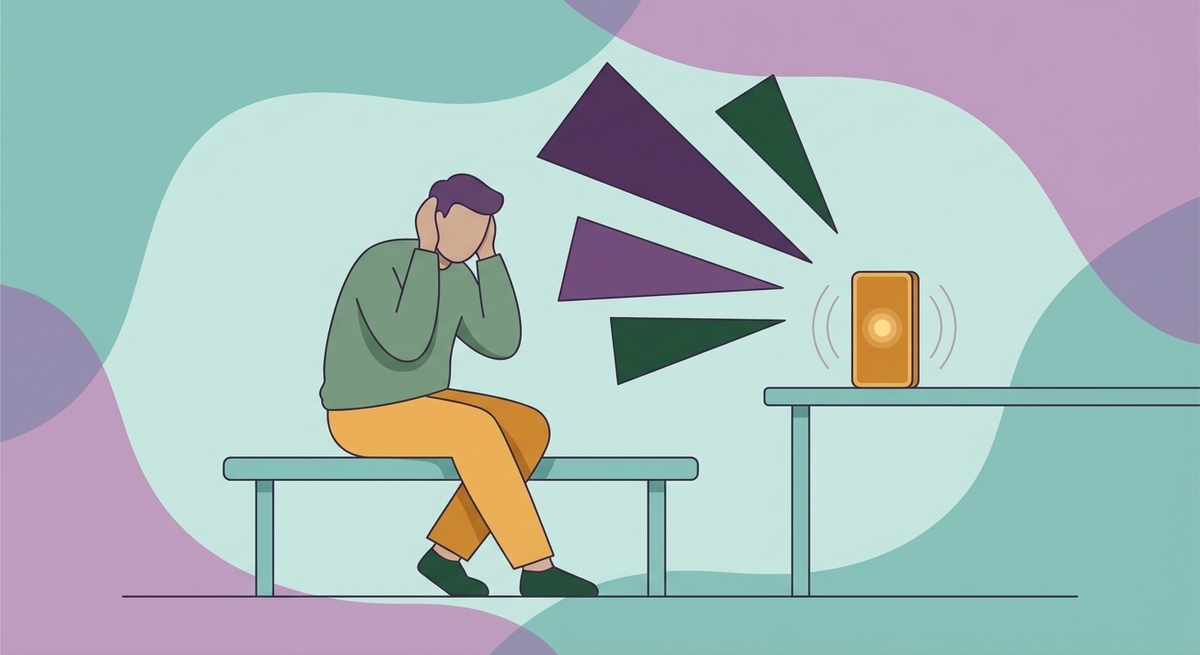
Sensory overload is more than just feeling distracted. For an AuDHD adult, a loud room feels like a physical threat. Your nervous system (the network that sends signals between your brain and body) treats bright lights and loud noises like an attack. You cannot just think your way out of it. You need real tools to help your body feel safe again.
Many people do not understand this pain. They think you are just being sensitive. But this is a real, physical event. Your heart races. Your chest feels tight. You need to escape right away. This guide will help you understand your brain and find quick relief.
The Biology: Why Your Brain Can’t ‘Just Ignore It’
People often tell you to just tune out the noise. But the AuDHD brain works differently. You process the hum of a fridge with the same urgency as a person shouting. This constant input drains your mental battery fast.
Your brain does not sort sounds by importance. Every sound demands your full attention. This is why crowded places feel so exhausting.
The Gating Mechanism Failure
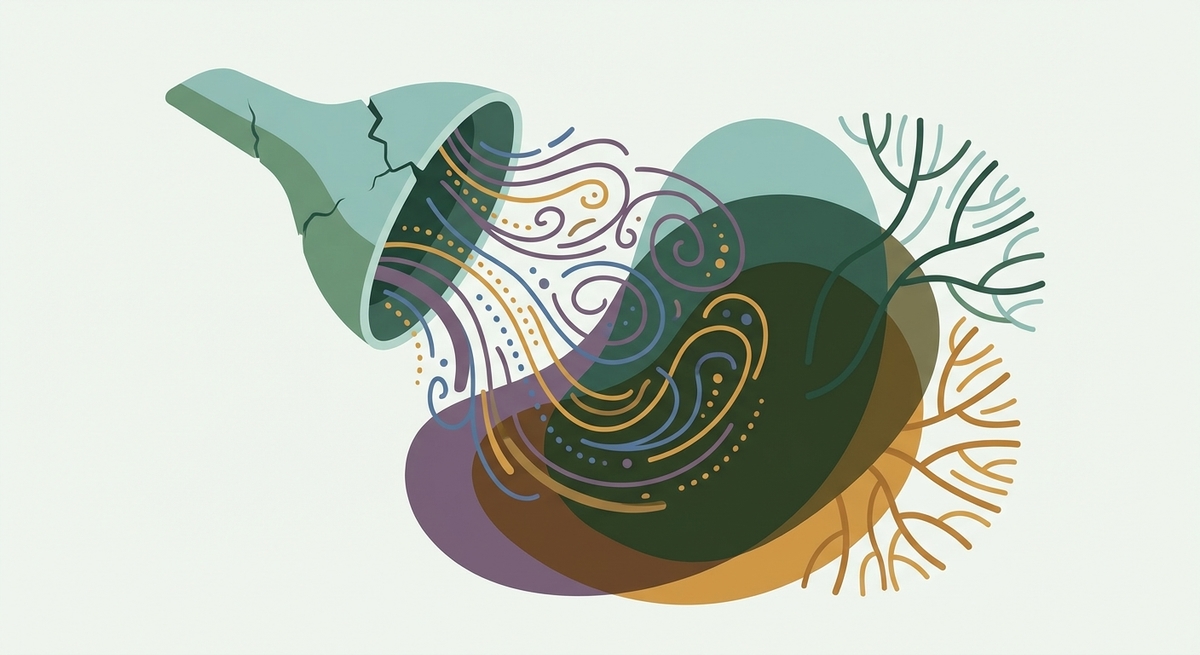
Your brain has a gating mechanism (a filter that blocks out background sights and sounds). In neurodivergent brains, this filter often stays wide open. Everything rushes in at once.
This causes an involuntary fight-or-flight response (your body’s automatic alarm system). You feel trapped because your body thinks you are in real danger. Your muscles tense up. You might feel sudden anger or deep fear. You cannot control this reaction with logic alone.
7 Common Triggers You Might Be Missing (Checklist)
Many triggers hide in plain sight. You might not notice them until it is too late. For example, the loud wind and steady rain of a Pacific Northwest storm can slowly drain your energy. A rainy day sensory guide can help you prepare for these changes.
Small annoyances add up quickly. A scratchy tag or a flickering light can push you over the edge.
Texture Repulsion (The ‘Oily Finger’ Effect)
Touch is a huge trigger for many. The feeling of cooking oil on your hands can cause intense distress. This is called tactile defensiveness (when normal touch feels painful or gross).
When this happens, even washing your hands feels like too much work. You might avoid cooking entirely. Wearing gloves can help protect your hands from bad textures.
Social Demands & The ‘Question Barrage’
Talking to people takes a lot of brain power. When someone asks you too many questions at once, your brain freezes. This rapid-fire questioning quickly leads to overload.
Living with AuDHD often feels like an internal clash when you want to connect but feel too overwhelmed to speak. You might need to walk away to protect your peace.
Immediate Recovery: The S.O.S. Protocol (Step-by-Step List)
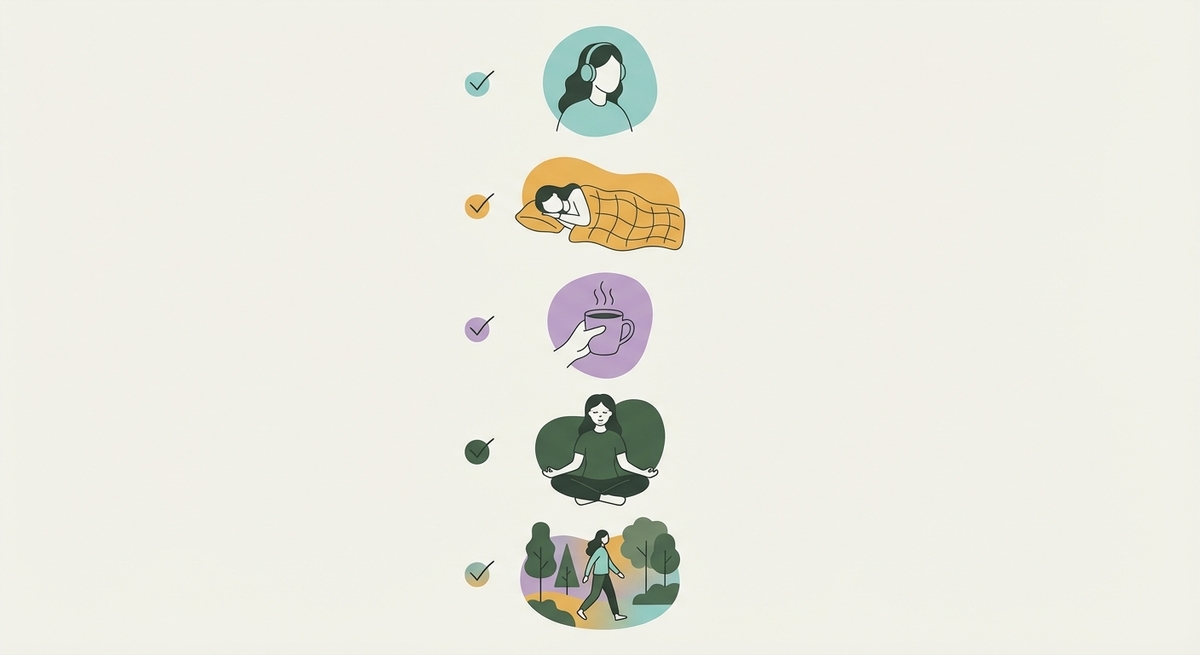
When overload hits, you must act fast. First, reduce all sensory input right away. Turn off the lights. Put on noise-canceling headphones. Close your eyes to block out movement.
If you are at a doctor’s office, ask the staff to dim the lights. You can say, “The lights are hurting my eyes. Can we turn them down?”
Next, try stimming (repetitive movements like rocking or hand-flapping). These actions help calm your body’s alarm system. They release built-up tension in your muscles.
Do not force yourself to talk. Find a dark, quiet room and sit alone. Solitude is the best medicine for a sensory hangover. Give your brain time to reset.
Long-Term Management Strategies
You can plan ahead to make life easier. Building a calm environment helps prevent the daily crash. Think about what your body needs before the alarm sounds.
Keep a pair of earplugs in your pocket. Wear sunglasses inside if the lights are too bright.
Creating a ‘Sensory Safe’ Menu vs. Dopamine Menu
Cooking is hard when you feel overwhelmed. Keep shelf-stable, low-sensory foods in your room. Crackers, nuts, and protein bars are great choices.
This stops the vicious cycle of feeling hungry but being too tired to cook. Building a sensory diet helps you stay fed and calm. You do not always need a complex meal.
Workplace Accommodations for Noise & Lighting
Workplaces are full of triggers. Harsh lights and loud typing can ruin your day. Ask your boss if you can wear earplugs.
Request a desk away from bright windows or busy walkways. Small changes make a big difference. You deserve to work in a space that feels safe.
FAQ: Meltdowns, Shutdowns, and Burnout
Many people confuse these terms. A meltdown is an intense, outward reaction to stress. A shutdown is an inward retreat where you might stop speaking.
Autistic burnout (deep physical and mental exhaustion) happens when you push through overload for too long. It takes months to recover from true burnout.
Remember, feeling guilty after leaving an event early is just a symptom of overload. It is not a character flaw. Your brain simply needs a break. Honor your limits.
If you are an adult in Vancouver, WA or Portland, OR seeking answers, we can help. Reach out to Haven Health Autism Assessments today. We offer neuro-affirming evaluations to help you understand your unique brain.
Ready to Learn More?
If you’re exploring neurodivergence, Haven Health offers validating, non-pressuring Adult Autism Assessments and ADHD Assessments in the Pacific Northwest. Reach out today to start your journey.
This content is for educational purposes only and is not a substitute for professional medical advice, diagnosis, or treatment. If you have concerns about autism, ADHD, or any other health condition, please consult a qualified healthcare provider.


