
It is a familiar feeling for many neurodivergent adults: you are sitting on the edge of your bed, fully aware that you need to get up, get dressed, and start your day. You want to. You know all the steps involved. Yet your body feels anchored by an invisible weight.
The minutes tick by. The internal monologue of shame begins: “Why can’t I just do it? Am I lazy?”
This gap between intention and action is not a moral failing or a lack of willpower. It is a core trait of executive dysfunction (a neurological challenge frequently experienced by Autistic and ADHD individuals, especially those who identify as AuDHD).
Understanding this distinction is the first step toward self-compassion and finding strategies that actually work.
What is Executive Dysfunction?
Executive functions are the set of mental skills managed by the brain’s frontal lobe. Think of it as the CEO of your brain, responsible for planning, organizing, initiating tasks, regulating emotions, and maintaining focus. For neurotypical people, this CEO works so seamlessly in the background that it’s barely noticeable.
For an Autistic or ADHD brain, that CEO might be brilliant at strategy but has a faulty intercom system. It knows what needs to be done but can’t reliably send the “Go!” signal to the rest of the body. This is the intention-action gap. You have the intention, but the physical and mental activation required to execute the action feels impossible. It’s not “I won’t,” it’s “I can’t.” This can manifest as task paralysis, where the sheer number of steps in a simple task like “clean the kitchen” becomes so overwhelming that you can’t start any of them.
This is why strategies like “body doubling”—having someone else present, either physically or virtually, while you work—can be so effective. The other person’s presence acts as an external cue, an outside force that helps jump-start your brain’s engine when the internal starter motor is offline.
The Executive Dysfunction Spectrum
Executive dysfunction isn’t an on/off switch; it’s a spectrum that can fluctuate daily, or even hourly, depending on your internal and external environment. Your capacity can be influenced by stress, sensory input, sleep, and overall energy levels.
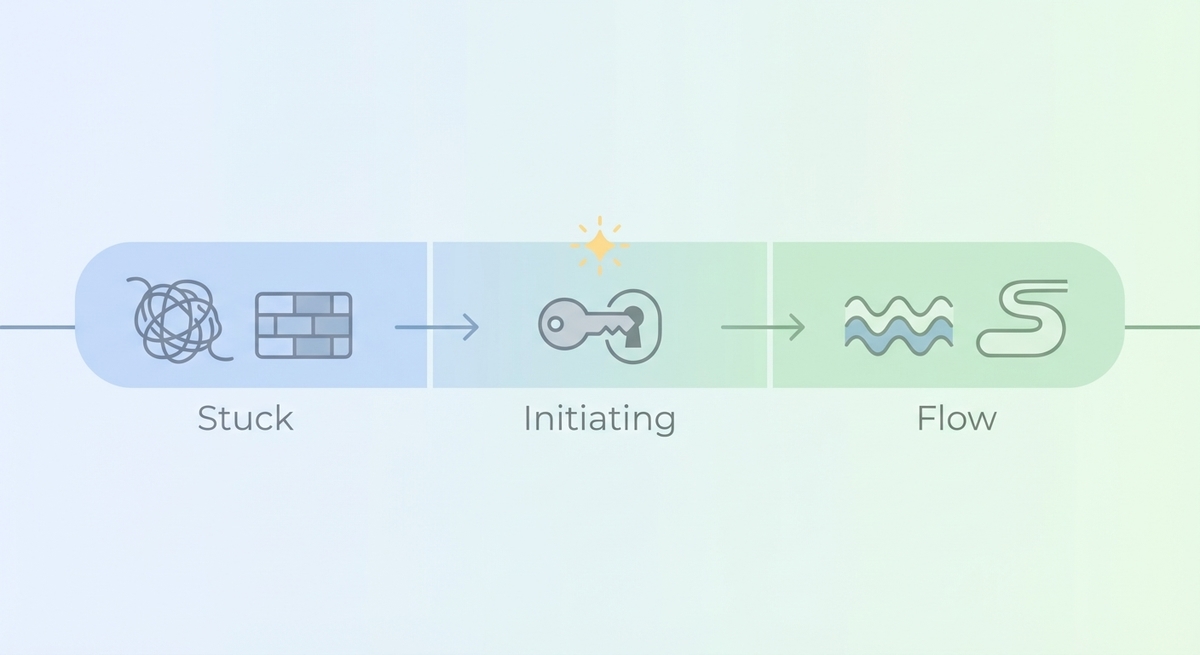
One day, you might be in a state of hyperfocus or flow, effortlessly completing a passion project. The next, you might struggle to get a glass of water, feeling completely “stuck.” This variability is confusing and can fuel internalized ableism, making you believe your struggles are your own fault.
The ‘WASPy’ Social Mask: Energy Cost of Mimicking Neurotypical Efficiency
For many late-identified Autistic adults and people with ADHD, years have been spent developing a “mask”—a complex persona designed to mimic neurotypical standards of productivity and social behavior. This is especially true in professional environments, like the demanding tech and startup cultures found in Portland and Seattle. Maintaining this mask of constant availability, rapid task-switching, and effortless organization consumes an immense amount of cognitive energy.
This continuous performance drains the battery needed for basic executive functions at home. After a day of pretending to be an efficient neurotypical employee, it’s no wonder you come home with zero capacity left to decide on dinner or unload the dishwasher. This is a direct path to a state of collapse often described as Autistic burnout, which is different from depression.
Hacks for the ‘Invisible’ Wall
Traditional productivity advice often fails neurodivergent people because it’s based on the assumption of a consistently functioning “brain CEO.” The key is not to try harder but to change the environment and externalize the functions your brain struggles with.
Sensory Hacks: Why Haircuts and Quiet Homes Boost Productivity
Have you ever noticed that after getting a haircut, you suddenly feel lighter and more capable? This isn’t just a confidence boost. For sensory-sensitive individuals, long hair can be a constant, low-grade sensory drain. The feeling of it on your neck, in your eyes, and the maintenance it requires all consume precious processing power. Reducing that load—the “Pixie Cut Strategy”—frees up mental resources for other tasks.
Apply this concept to your environment. A noisy home, bright lights, or cluttered surfaces all tax your nervous system. By creating a low-demand, low-sensory space, you lower the baseline of stress on your system, leaving more energy for executive tasks. This is especially vital in the Pacific Northwest, where the long, gray winters can already impact mood and energy. Creating a calm indoor sanctuary can be a powerful accommodation. For more ideas, explore our sensory survival guide for PNW rain.
Micro-Routines: Building ‘Interest-Based’ Momentum
Instead of forcing yourself through a rigid, neurotypical schedule, build momentum with “micro-routines” anchored to your interests. The AuDHD brain is an interest-based nervous system; it activates for things it finds novel, challenging, or deeply engaging.
Don’t start with the task you’re dreading most. Start with five minutes of something you enjoy—listening to a specific song, playing a game on your phone, or organizing your favorite bookshelf. This can provide the dopamine hit needed to transition to the next, less-preferred task. It’s about building a gentle on-ramp to action, not forcing yourself to scale a vertical wall.
The Employment Paradox: Why Slow-Paced Jobs Save Lives
Many Autistic and ADHD adults find themselves in a cycle of job-hopping and burnout. This is often because the modern workplace is optimized for the neurotypical brain, rewarding multitasking, constant social interaction, and ambiguous deadlines. This is a recipe for executive function collapse.
Conversely, jobs that are often dismissed as “unskilled” can be incredibly sustainable and life-saving. Work that is rhythmic, predictable, and has clear, tangible outcomes (like stocking shelves, data entry, gardening, or working in a library) can be a perfect fit. These roles reduce the cognitive load of planning and prioritizing, allowing the AuDHD brain to thrive. They provide structure and predictability, which calms the nervous system and preserves executive function for life outside of work.
Externalizing the Frontal Lobe
The most effective strategy for managing executive dysfunction is to stop expecting your brain to do something it’s not wired for. Instead, create an external “frontal lobe” using tools, systems, and visual aids. This is about accommodating your neurotype, not fighting it.
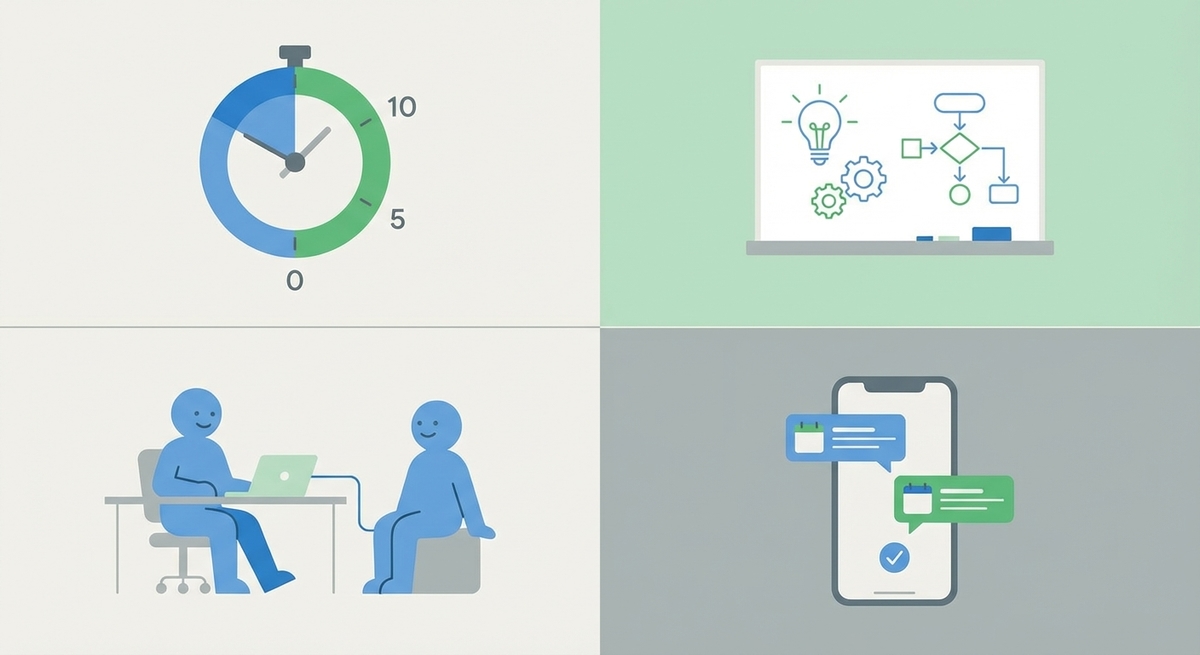
Here are some ways to “outsource your brain”:
- Visual Checklists: Don’t just write a to-do list; draw it. Use icons, colors, and sticky notes. Place them where you’ll see them.
- Object Permanence Hacks: If something is out of sight, it ceases to exist. Use clear storage bins, open shelving, and “doom boxes” (a designated, visible box for random items) to keep things in your awareness.
- Timers and Alarms: Use visual timers (like the Time Timer) to make time tangible. Set alarms not just for appointments, but for transitions: “Time to start getting ready to leave.”
- Automate Everything: Automate bill payments, subscribe to regular deliveries of household staples, and create simple meal plans. Every decision you remove from your plate frees up energy.
Understanding the nuances of your own executive function profile is a journey of self-discovery. As you learn more about how your brain works, you can find compassionate ways to support it. Many people find that a formal diagnosis can provide immense clarity, which is why we offer guidance on what to expect from an adult autism assessment.
This content is for educational purposes only and is not a substitute for professional medical advice, diagnosis, or treatment. If you have concerns about autism, ADHD, or any other health condition, please consult a qualified healthcare provider.
If the struggle with the intention-action gap consistently disrupts your life, it may be time to seek clarity. A professional evaluation can provide validation and a roadmap for support. At Haven Health, our neurodiversity-affirming assessments are designed to help you understand your unique brain. Contact us today to learn more about our adult autism and ADHD assessment services.


