
What is AuDHD Sensory Processing? (The Internal vs. External Conflict)
For many neurodivergent adults in the Pacific Northwest, navigating the world involves a constant negotiation between two very different operating systems. If you are an Autistic person with ADHD (often referred to as AuDHD), you likely experience a unique internal conflict:
- Your ADHD brain craves stimulation and novelty (dopamine seeking).
- Your Autistic neurotype requires predictability, routine, and lower sensory input to feel safe.
The Binge-Crash Cycle
This tug-of-war can lead to a cycle of “bingeing” on sensory input, like loud music, intense hyperfocus, or busy social environments, followed by a severe crash.
Unlike the typical understanding of sensory processing issues, which often focuses on “loud noises” or “scratchy tags,” AuDHD sensory processing involves a complex dysregulation of both external senses and internal signals.
How Monotropism Explains It
Current frameworks like Monotropism (an attention-tunneling model) help explain this. AuDHD brains commit profound attention to a small number of interests (an “attention tunnel”). When you are in a flow state, your sensory gating is high. You might not notice hunger or cold.
However, when that tunnel is broken, or when the dopamine wears off, the floodgates open. Every sound, texture, and light becomes physically painful.
The ‘Sensory Hangover’ Explained
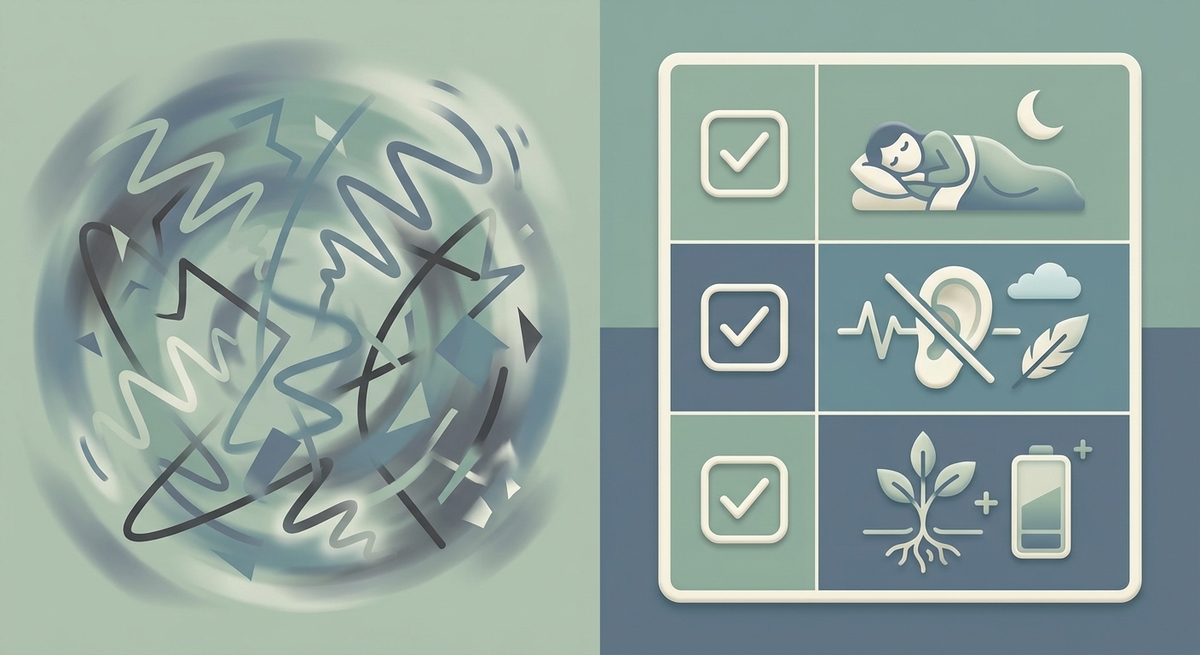
The “Sensory Hangover” is not a metaphor. It is a physiological reality for many AuDHD individuals. It describes the physical aftermath of sensory overload. While emotional burnout affects your mood and motivation, a sensory hangover attacks the body.
What It Feels Like
Many neurodivergent community members report waking up the day after a high-stimulation event, like a concert, a day in a bright office, or even a long Zoom call, with flu-like symptoms:
- Extreme physical fatigue and heavy limbs
- Nausea or digestive distress
- Migraines or tension headaches
- Sensitivity to light (photophobia) and sound
- “Brain fog” so dense that speaking becomes difficult
The PNW Factor
In the gloomy, low-light months of the Pacific Northwest, these hangovers can worsen due to Vitamin D deficiency and the pressure to “power through.” Recognizing these physical signs as valid neurological responses, rather than laziness or illness, is the first step toward recovery.
The 8th Sense: When You Can’t Feel Your Own Body (Interoception)
One of the most significant challenges in AuDHD sensory processing is interoception (the sense that tells you what is happening inside your body). This includes hunger, thirst, the need for the bathroom, temperature regulation, and pain.
Signals Too Loud or Completely Silent
For many AuDHDers, interoceptive signals are either too loud or completely silent. You might feel the seam of your sock as an agonizing spike of pain (hypersensitivity). Yet you might completely miss the signal that your bladder is full until it is an emergency (hyposensitivity).
Why You Forget to Eat and Drink During Hyperfocus
This interoceptive disconnect is often driven by the ADHD side of the brain entering a hyperfocus state. When dopamine is flowing during a project or interest-based activity, the brain prioritizes that engagement over “maintenance” signals.
This leads to a common crash pattern:
- Hyperfocus: You work for 6 hours straight without moving.
- The Drop: The task ends, and the dopamine supply cuts off.
- The Crash: Suddenly, the suppressed interoceptive signals rush in all at once. You are simultaneously starving, dehydrated, busting for the bathroom, and freezing cold.
This rapid onset of bodily needs can trigger an immediate meltdown or shutdown because the sensory load is too high to process. To manage this, use “externalizing” cues like visual timers or apps. Use them not just for productivity, but as biological check-ins.
You can read more about how sensory perception shapes daily life in our article on how autistic people see the world.
The Anti-Shoe Movement: Why AuDHDers Hate Feet Constraints
If you walk into a neurodivergent household in Portland or Vancouver, you might notice a pile of shoes immediately by the door. This is not just for cleanliness. It is for liberation. The community often refers to this preference as the “Anti-Shoe Movement.”
Why Shoes Feel Wrong
This stems from issues with proprioception (knowing where your body is in space) and tactile sensitivity:
- Traditional shoes can feel “cage-like,” compressing the toes and dampening sensory feedback from the ground.
- Many AuDHDers rely on that ground feedback to feel grounded.
- Conversely, some individuals need more compression and prefer heavy boots to feel where their feet end.
The Clothing Energy Tax
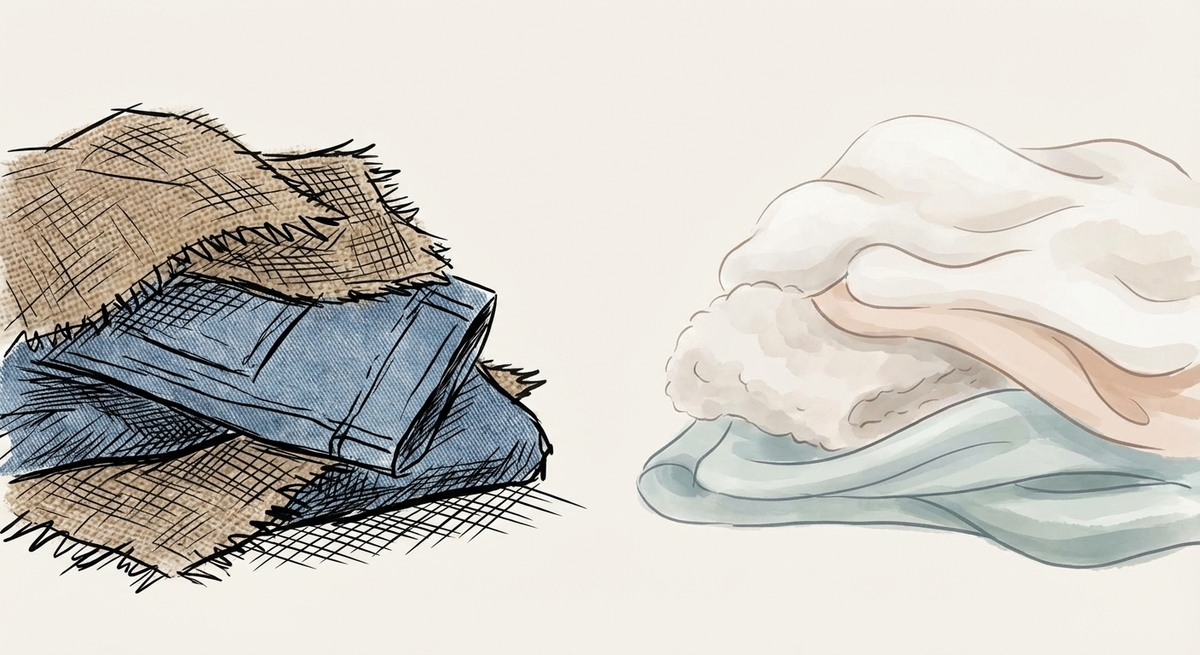
The struggle with clothing is often a major contributor to the daily sensory load. “Sensory safe” clothing is not just a preference. It is a requirement for preserving energy.
If your waistband is digging into you, your brain allocates processing power to ignore that input every single second of the day. By 5:00 PM, you have “spent” your energy budget on tolerating your clothes. Nothing is left for cooking or conversation.
For those dealing with the specific sensory challenges of our region’s weather, our sensory survival guide for PNW rain offers tips for handling wet textures and damp clothing.
High-Impact Sensory Hacks for Immediate Relief
When you are in the throes of a sensory hangover or trying to prevent one, generic advice like “take a deep breath” rarely helps. You need physiological interventions that reduce input immediately.
‘The Rat Cut’: Why Radical Hair Removal Helps
In online AuDHD communities, the “Rat Cut” (often an undercut, buzz cut, or shag) has become a popular term for hairstyles that prioritize sensory comfort over traditional aesthetics. Hair can be a nightmare sensory trigger:
- Tactile: Strands tickling the face or neck can cause a “fight or flight” reaction.
- Maintenance: The executive function required to wash, dry, and style hair daily is a massive energy tax.
- Proprioception: The weight of long hair can cause tension headaches.
Removing hair or keeping it very short reduces the “surface area” for sensory irritation. It also eliminates a major daily grooming hurdle.
Visual Reading Aids for Text Processing
Sensory processing applies to information intake as well. “Wall of text” syndrome can cause immediate cognitive fatigue. To make reading survival guides or work emails bearable:
- Dark Mode: Essential for reducing the glare of white pixels, especially during the dark PNW winters.
- Bionic Reading: Tools that bold the first few letters of words can help the ADHD brain “latch on” to text and maintain momentum.
- Reader View: Most browsers have a “Reader View” that strips away ads and sidebars. This reduces visual noise and allows the Autistic brain to focus on the content without distraction.
If you are finding that these sensory struggles lead to periods of intense exhaustion that feel different from sadness, it may be helpful to understand the distinction between autistic burnout vs depression.
This content is for educational purposes only and is not a substitute for professional medical advice, diagnosis, or treatment. If you have concerns about autism, ADHD, or any other health condition, please consult a qualified healthcare provider.
If you suspect that your sensory experiences are part of a broader neurodivergent profile, getting answers can be validating. At Haven Health, we specialize in neuro-affirming care for adults. To learn more about your neurotype, you can explore our adult autism assessment services in Vancouver, WA and Portland, OR.


