
Sensory processing differences in AuDHD brains are not just about being sensitive. They often stem from a lack of sensory gating. Sensory gating is when your brain filters out background noise. Without this filter, your brain processes the hum of a fridge with the same urgency as a human voice.
Living in the Pacific Northwest adds extra layers to this. On a day with moderate drizzle and fifty-degree weather, the damp chill can feel painful. Whether you face sensory overload (when too much input overwhelms your brain) or crave more stimulation, sheer willpower will not help. You need a custom sensory diet. A sensory diet is a daily plan of activities that gives your nervous system the exact input it needs.
The AuDHD Sensory Profile: Seeker vs. Avoider vs. Fluctuating
Every AuDHD adult has a unique sensory profile. You might be a sensory seeker who craves deep pressure and loud music. Or, you might be a sensory avoider who needs dim lights and silence.
For many AuDHDers, these needs fluctuate daily. You might seek out a crowded Portland coffee shop on Tuesday. By Thursday, the sound of your own chewing might cause distress. This shifting reality is normal. It just means your regulation tools must be flexible.
Beyond the Big 5: The Hidden Senses Impacting You
Most people only know about sight, smell, sound, taste, and touch. But your brain actually tracks eight senses. Two hidden senses deeply impact your daily comfort.
Interoception (Hunger, Temperature, Bathroom Habits)
Interoception is your ability to feel internal body signals. Many AuDHD adults struggle with this sense. You might feel cold to the bone long before you realize you need a sweater.
You might also hold your bladder too long or forget to eat. This is an interoception issue, not laziness. The best fix is using external cues. Try setting phone timers to drink water. Keep a heated blanket on your chair to manage the damp PNW chill.
Proprioception (Body Awareness & Clumsiness)
Proprioception is your sense of body position in space. When this sense is under-stimulated, you might bump into doorframes. You might also drop objects or feel clumsy.
Heavy work helps regulate this sense. Activities like pushing a heavy cart or wearing a weighted vest give your joints needed feedback. This deep pressure calms the nervous system quickly.

Practical Sensory Hacks for Daily Life
Standard advice like turning down the lights is rarely enough. Real life requires creative fixes that honor your brain’s actual limits.
Reducing Visual Noise (The ‘Hidden Outlet’ Method)
Visual clutter quickly drains your mental battery. This leads to executive dysfunction (when your brain struggles to start, plan, or finish tasks). Seeing a messy counter feels like a loud noise.
A highly effective hack is hiding the visual chaos. Install an outlet inside a closet. You can keep your vacuum plugged in but completely out of sight. This removes the visual noise of daily chores. Learn practical ways to bypass executive dysfunction by hiding your tools.
Cleaning Without Overload (The Blower vs. Vacuum)
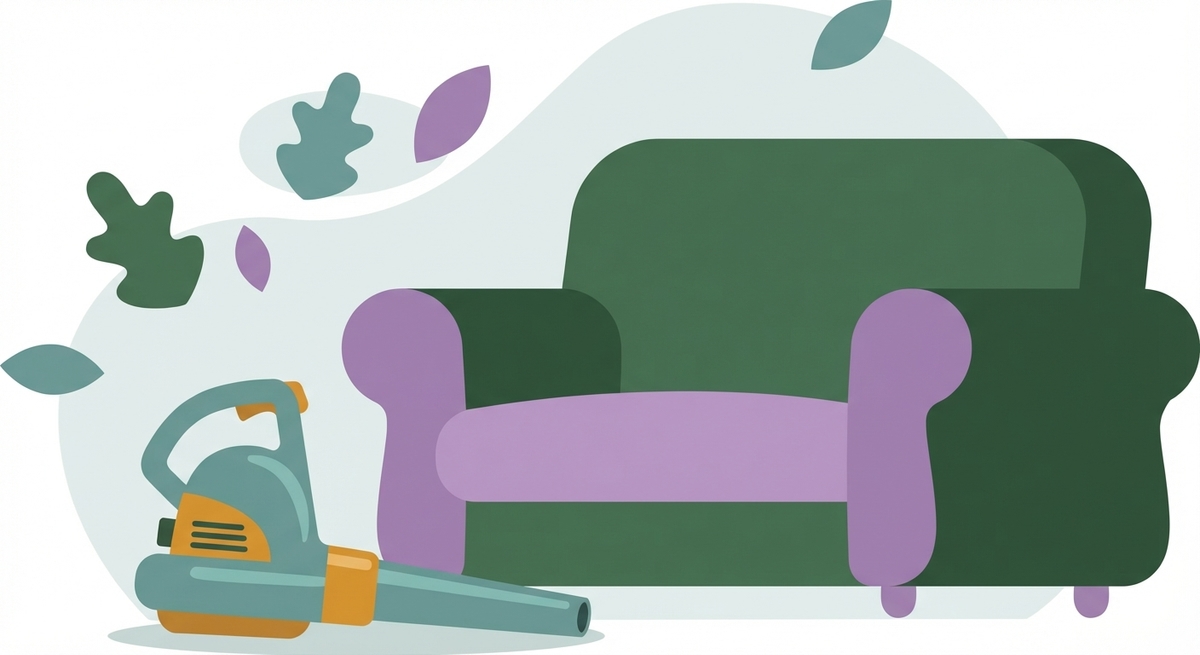
Traditional vacuuming combines heavy physical resistance with a screaming motor. This is a sensory nightmare for many. It makes cleaning feel impossible.
Instead, try the leaf blower hack. Use a small electric blower to dust under couches and into corners. It is fast, removes the friction of pushing a heavy machine, and takes a fraction of the time.
The ‘Sleep Kit’ for Bedtime Regulation
Bedtime often triggers task paralysis. The effort of finding your sleep items in the dark is too much. This friction leads directly to sleep procrastination.
Pre-assemble a sleep kit in a bedside basket. Include your meds, sensory-safe socks, lip balm, and water. Having everything in arm’s reach removes the barriers to rest.
Intimacy & Social Sensory Triggers
Socializing and intimacy involve massive amounts of sensory data. This data can easily push your nervous system past its limit.
Why Eye Contact Feels Like ‘Data Overload’
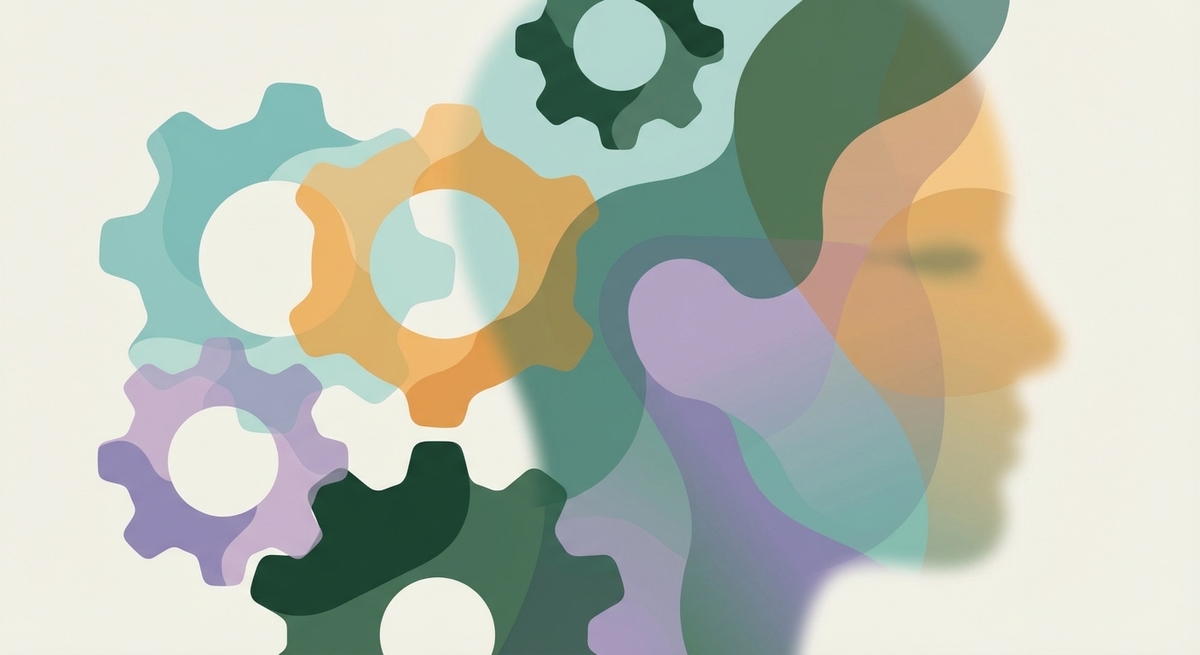
Eye contact is not just socially awkward. For Autistic brains, it is pure data overload. A face is like a complex mechanical clock. Every tiny twitch carries meaning.
Trying to process all that data causes mental lag. It is entirely valid to look at a person’s chin or forehead instead. You can build authentic connections without masking by setting boundaries around eye contact.
Tactile Issues in Relationships (Kissing & Touch)
Intimacy requires navigating intense tactile input. Light touch might feel like burning, while firm pressure feels safe. Kissing involves wet textures that can trigger instant overload.
Talk openly with your partner about your touch preferences. Map out which types of touch feel safe. Predictable, firm pressure is often much easier to process than surprise hugs.
Comparison Table: Sensory Meltdown vs. Sensory Shutdown
When overload hits, your brain responds in one of two ways. Both are valid distress signals.
| Feature | Sensory Meltdown | Sensory Shutdown |
|---|---|---|
| Energy | Explosive outward energy. | Inward withdrawal and stillness. |
| Action | Crying, pacing, or yelling. | Staring, going mute, hiding. |
| Cause | Too much input with no escape. | System crash from prolonged stress. |
| Need | Safe space to release energy. | Dark, quiet space to reboot. |
If you frequently experience these intense states, you are not alone. You can manage sensory overload as an AuDHD adult by learning your unique triggers.
Understanding your sensory profile is a vital step toward self-advocacy. At Haven Health Autism Assessments, we help adults in Oregon and Washington uncover their unique neurodivergent traits. Reach out today to schedule a neurodiversity-affirming assessment. Let us help you build a life that truly fits your brain.
Ready to Learn More?
If you’re exploring neurodivergence, Haven Health offers validating, non-pressuring Adult Autism Assessments and ADHD Assessments in the Pacific Northwest. Reach out today to start your journey.
This content is for educational purposes only and is not a substitute for professional medical advice, diagnosis, or treatment. If you have concerns about autism, ADHD, or any other health condition, please consult a qualified healthcare provider.


