
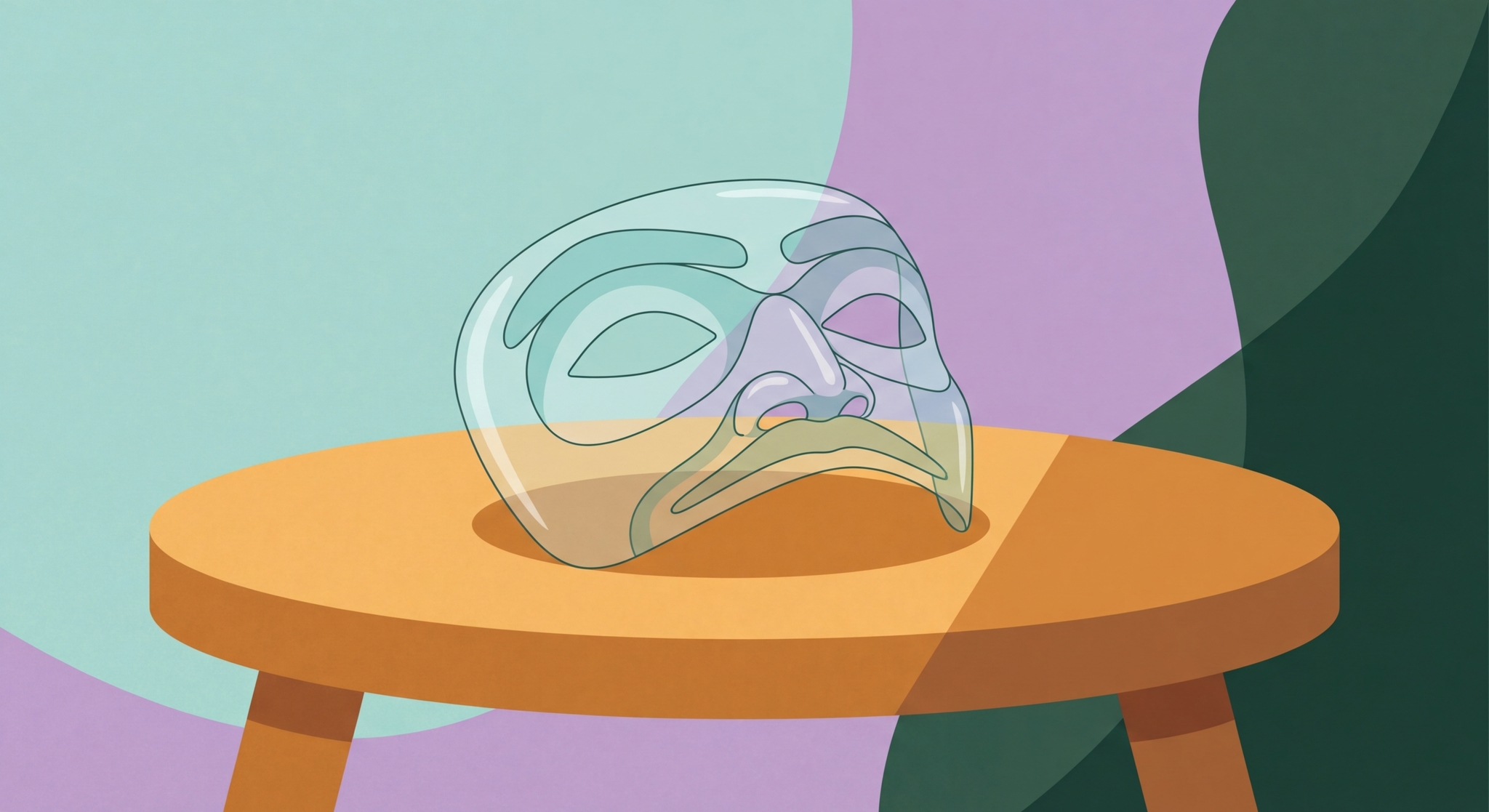
Many AuDHD adults feel like they are playing a part. You might feel like an actor who never gets to leave the stage. This constant performance takes a heavy toll. Like a gray, overcast day in Portland, it casts a shadow over your true self.
What is AUDHD Masking? (Beyond ‘Fitting In’)
Masking is a deep survival skill. It means hiding neurodivergent traits (behaviors unique to autistic or ADHD brains) to seem neurotypical (people without autism or ADHD). You might force eye contact or hide your true interests.
Many high-masking AuDHD adults describe the “AI” phenomenon. You feel like you are manually operating a human suit. You use social scripts to stay safe. You execute these scripts perfectly, but they lack natural intuition. You do this to avoid rejection, not because you lack emotion.
The 3 Hidden Costs of High-Masking
The first cost is the “good girl” or “good boy” trap. Many late-diagnosed adults were easy children. They were perfectionists in school. This was not natural rule-following. It was a fawning response (people-pleasing to avoid conflict).
You likely worked hard to hide your struggles. You wanted to avoid the deep shame of executive dysfunction (when your brain struggles to start, plan, or finish tasks). If you want to understand why you struggle to start tasks, know that it is not your fault.
The third cost is losing your sense of self. You spend so much energy being what others want. Over time, you forget what you actually like or need.
Signs You Are Masking Subconsciously
You might not even know you are doing it. You might agree with opinions you hate. You might wear clothes that itch or hurt. You ignore your body to keep the peace.
The ‘Social Hangover’ and Post-Event Crash
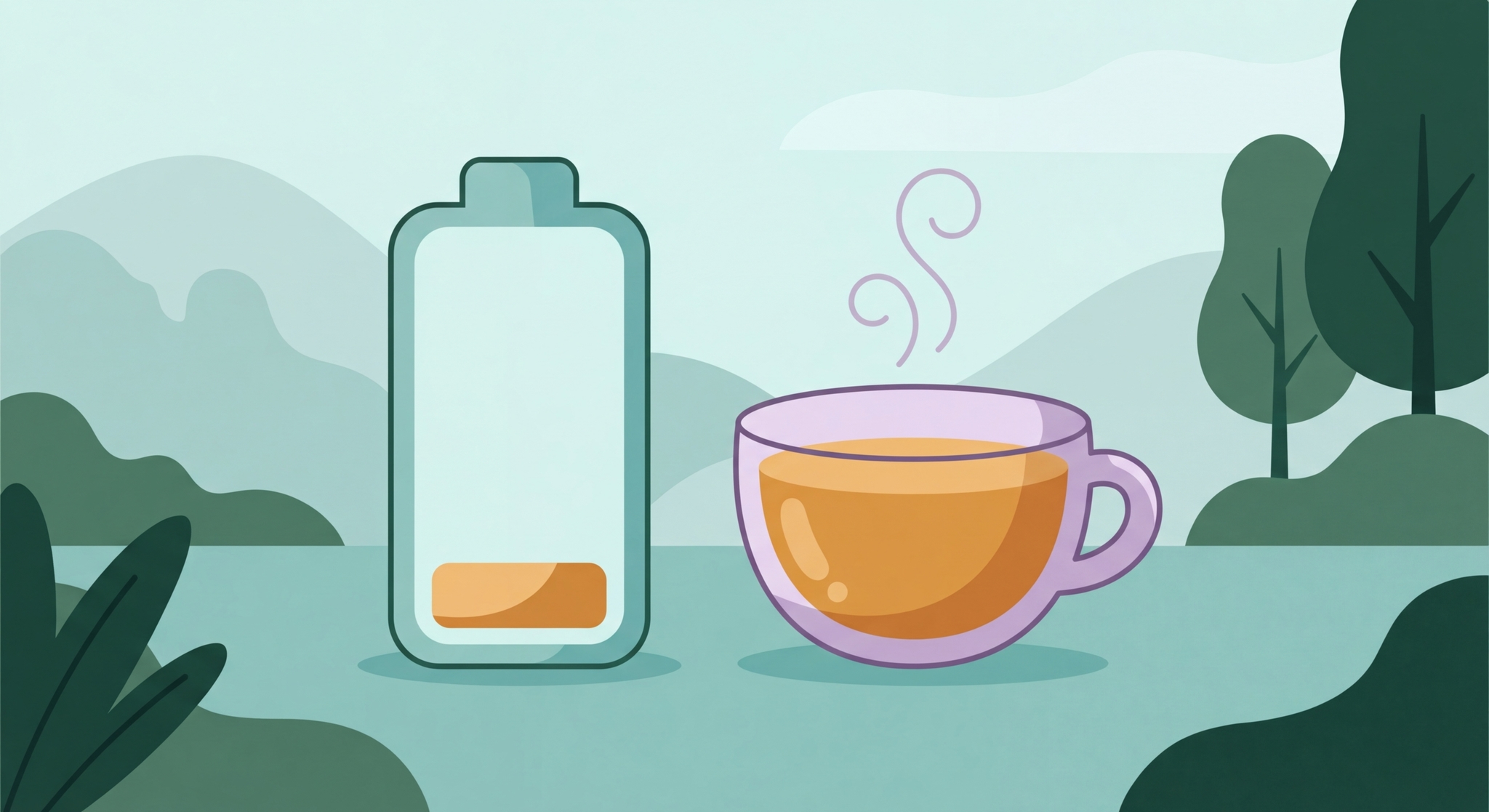
Do you crash hard after work or social events? This is the social hangover. Sometimes, you might experience selective mutism (losing the ability to speak when stressed or tired).
Going quiet after work is not a choice. It is a clear battery indicator. Your body shows that the energy needed to speak is gone. You drained it all by performing during the day.
Masking vs. Burnout: The Cycle
Chronic masking always leads to burnout. You push through the exhaustion until your body simply stops. This cycle traps many late-diagnosed adults.
Comparison Table: Healthy Adaptation vs. Toxic Masking
Healthy adaptation feels like a choice. You might choose to use a quiet voice in a library. It does not drain your core energy. You still feel like yourself.
Toxic masking feels like a heavy demand. You hide your true personality to survive. It drains your energy and causes deep burnout. This hidden pain is exactly why standard autism diagnostic tools often fail to spot adults who mask well.
How to Begin Unmasking Safely
Unmasking does not mean changing your whole life at once. It starts with very small, safe choices. You must go slowly to protect your nervous system.
Step 1: Identify Your Sensory ‘No’s’
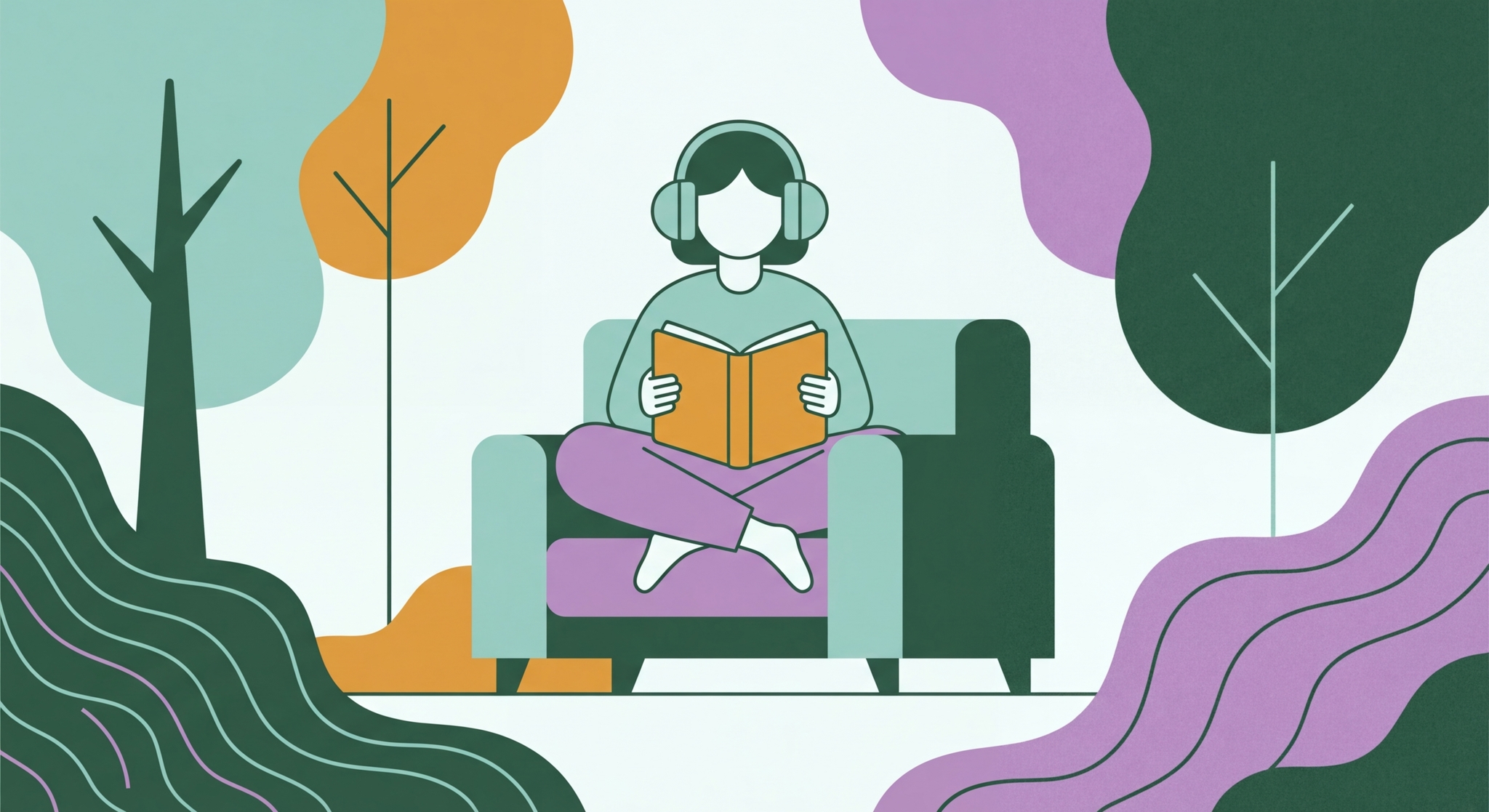
Do not try to change how you talk first. Start with sensory unmasking. Reclaim your right to stim (make repetitive movements to soothe yourself). Wear soft, comfortable clothes.
Use noise-canceling headphones when the wind howls or the city gets loud. Lowering your daily sensory stress helps you heal. Learn how to manage sensory overload as an AuDHD adult to find fast relief.
Navigating Relationships
As you unmask, your relationships will shift. You might set new boundaries. Some people might push back when you stop pleasing them.
Why You Feel ‘Fake’ or Like an Imposter
You might feel like a fake as you drop the mask. You are not an imposter. You are simply meeting your true self for the first time. Give yourself grace during this process.
If you are tired of pretending, we can help. At Haven Health, we offer neuro-affirming autism and ADHD assessments in Vancouver, WA and Portland, OR. Reach out today to start your journey toward authentic living.
Ready to Learn More?
If you’re exploring neurodivergence, Haven Health offers validating, non-pressuring Adult Autism Assessments and ADHD Assessments in the Pacific Northwest. Reach out today to start your journey.
This content is for educational purposes only and is not a substitute for professional medical advice, diagnosis, or treatment. If you have concerns about autism, ADHD, or any other health condition, please consult a qualified healthcare provider.


