Many AuDHD adults carry a heavy, silent belief: I am broken. When a minor inconvenience triggers an explosive wave of rage, or a perceived slight sends you spiraling into despair, it is easy to internalize these moments as moral failures, immaturity, or a lack of willpower.
But this narrative is actually a secondary symptom of living with an unaccommodated nervous system. Emotional dysregulation in AuDHD is not a character flaw. It is a physiological response—a mechanical failure caused by trying to run your brain on an operating manual built for neurotypical minds.
Why AuDHD Brains Struggle to Regulate Emotions
The lived experience of AuDHD often feels like a constant, exhausting tug-of-war. Your Autistic nervous system craves sameness, predictability, and deep rest to feel secure. Meanwhile, your ADHD brain aggressively seeks novelty, stimulation, and momentum to feel engaged.
This constant internal friction dramatically narrows your “window of tolerance”—the baseline zone where you can comfortably process stress and daily demands. When these conflicting needs collide, the nervous system simply runs out of bandwidth, leading to a sudden and intense collapse of emotional regulation.
The Physiology of the ‘Switch Flip’ (RSD and Amygdala Hijack)
What neurotypical people might experience as a gradual shift in mood, the AuDHD brain often experiences as a violent, instantaneous switch flip. This is frequently driven by Rejection Sensitive Dysphoria (RSD), an intense physiological pain response to perceived criticism, exclusion, or failure.
During an RSD episode, the brain’s amygdala effectively hijacks your rational thought processes. Your body floods with adrenaline and cortisol, shifting immediately into fight-or-flight mode. You are no longer reacting to a simple social misunderstanding; your nervous system is responding to a perceived threat to your actual survival.

Common Triggers Unique to AuDHD
Sensory Overload (The ‘Sound is Assault’ Phenomenon)
For the AuDHD brain, excessive sensory input is not just annoying; it can be physically painful. The “sensory-to-rage” pipeline is incredibly common. When you are already at your energetic capacity, the sound of someone chewing, the glare of fluorescent lights, or the sudden sensory assault of a brisk Pacific Northwest wind driving cold rain into your face can feel like a literal attack.
In these moments, sudden anger is your body’s desperate attempt to protect itself from sensory pain. Finding practical strategies for managing sensory overload is essential to intercepting this rage before it peaks.
The Luteal Phase & PMDD Connection
For those who menstruate, the luteal phase (the week or two before your period) acts as a massive dysregulation multiplier. Premenstrual Dysphoric Disorder (PMDD) is highly prevalent in the AuDHD community. During this window, fluctuating hormones severely deplete your baseline dopamine and serotonin levels.
You may notice that your ADHD stimulant medications suddenly feel entirely ineffective, and your sensory thresholds plummet. This is not a regression in your coping skills; it is a physiological shift that often requires temporary medication adjustments or giving yourself permission to have low-demand “grace days.”
Change in Routine vs. Boredom (The AuDHD Paradox)
The paradox of AuDHD means you might desperately need a routine to feel safe, yet feel profoundly under-stimulated and trapped by that very same routine. When a carefully planned day changes unexpectedly, the Autistic brain panics. When a day is too predictable, the ADHD brain panics. Both scenarios trigger profound emotional dysregulation, leaving you feeling entirely out of control.

Comparison Table: Meltdown vs. Shutdown vs. Burnout
While often used interchangeably, these three experiences represent distinct nervous system responses.
A meltdown is an externalized explosion of energy. It often looks like rage, uncontrollable crying, or panic, occurring when the brain can no longer process incoming input. It is the body attempting to forcefully expel overwhelming stress.
A shutdown is an internalized implosion. Instead of exploding, the nervous system hits the emergency brake to conserve energy. This often leads to situational mutism, heavy limbs, extreme fatigue, and an inability to move or speak.
Burnout is the chronic, long-term depletion of energy resulting from months or years of pushing past your limits. It is a state of systemic exhaustion, often exacerbated by the exhaustion of autistic camouflaging, requiring extended periods of radical rest to recover.
Immediate Crisis Management (The ‘Stop the Bleeding’ Protocol)
Step-by-Step: What to do when you feel the physical signs
When you feel the heat rising in your chest, the sudden dizziness, or the nausea that precedes a meltdown, cognitive reframing and talk therapy will not work. You cannot think your way out of an amygdala hijack.
Interventions during the acute phase must be entirely somatic. Treat the rage as a sensory issue first. Immediately reduce input: put on noise-canceling headphones, step into a dark room, or change your body temperature with an ice pack on your chest or a hot shower. The goal is to signal physical safety to your nervous system.
Communication Scripts for Partners
Trying to verbally explain your feelings during a meltdown usually makes the dysregulation worse. Prepare simple scripts with your partner or loved ones ahead of time. A phrase as simple as, “My nervous system is offline. I am not angry at you, but I need twenty minutes of silence,” can prevent a sensory meltdown from turning into a painful relationship conflict.
Long-Term Maintenance: Widening the Window of Tolerance
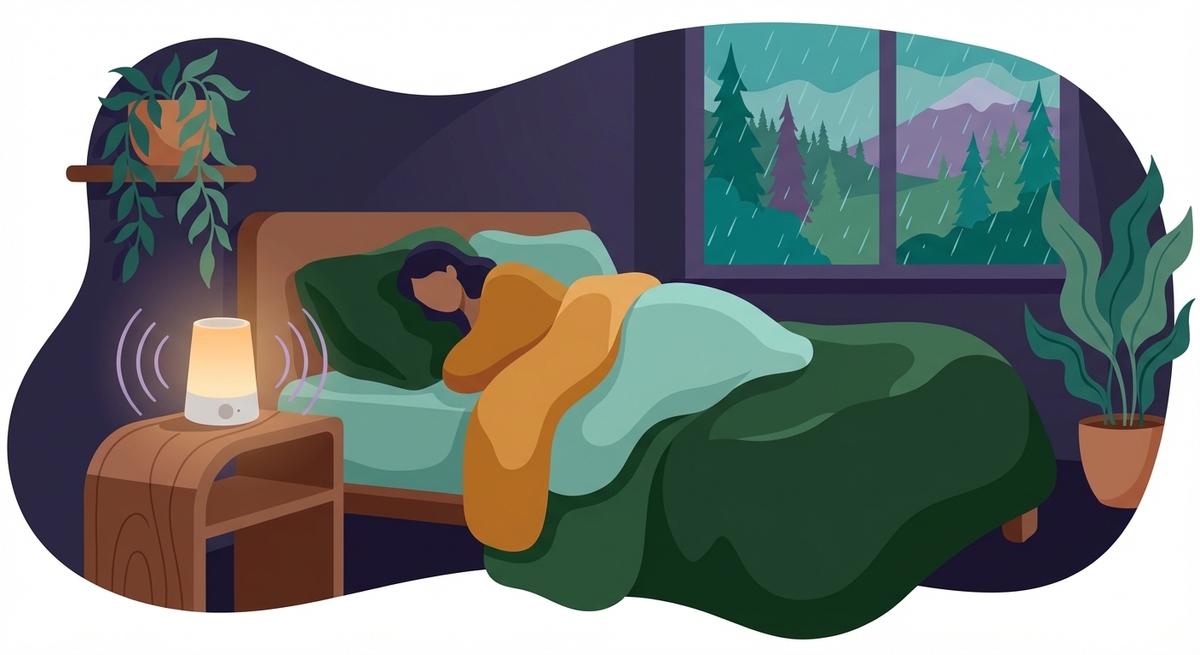
The most crucial—and often ignored—part of emotional dysregulation is the post-meltdown “hangover.” The 24 to 48 hours following a severe dysregulation episode require active rest. Your brain has just endured a neurological storm.
If you immediately return to your normal demands, you risk an immediate relapse or sensory “aftershocks.” Embrace low-demand living during this recovery window: eat safe foods, cancel non-essential tasks, and allow yourself to regulate by hyperfocusing on a special interest.
If you are exhausted by the cycle of dysregulation and are seeking clarity about your neurotype, you do not have to navigate this alone. At Haven Health, we provide neurodiversity-affirming autism and ADHD assessments for adults in Washington and Oregon. Reach out today to schedule a consultation and take the first step toward understanding your unique operating manual.
Ready to Learn More?
If you’re exploring neurodivergence, Haven Health offers validating, non-pressuring Adult Autism Assessments and ADHD Assessments in the Pacific Northwest. Reach out today to start your journey.
This content is for educational purposes only and is not a substitute for professional medical advice, diagnosis, or treatment. If you have concerns about autism, ADHD, or any other health condition, please consult a qualified healthcare provider.