
You stare at the laundry basket. You know you need to fold the clothes. You want to fold them. But your body will not move. This is a common reality for the AuDHD adult (a person with both autism and ADHD). It is not laziness. It is executive dysfunction (when your brain struggles to start, plan, or finish tasks). People often misunderstand this struggle. They tell you to try harder. But trying harder does not fix a brain block.
What is Executive Dysfunction? (The ‘No Battery’ Analogy)
Think of your brain like a car. You have the keys, and you know where to go. But the battery is dead. Turning the key does nothing. This task paralysis (the physical inability to start an action) happens due to low dopamine or high cognitive load. Your brain simply lacks the fuel to begin.
No amount of yelling at the car will charge the battery. You need jumper cables. You need a different way to start the engine.
Why Willpower Fails: The Adrenaline vs. Dopamine Gap
Generic advice tells you to just do it. But standard willpower relies on dopamine (a brain chemical that drives reward and motivation). The AuDHD brain often lacks enough of this chemical. This makes starting tasks incredibly hard. Your brain literally cannot find the starting line.
Instead of relying on a broken system, we must bypass it. We can do this by using adrenaline (a stress hormone that causes fast action) or by removing the barriers entirely. We must build a system that works for you.
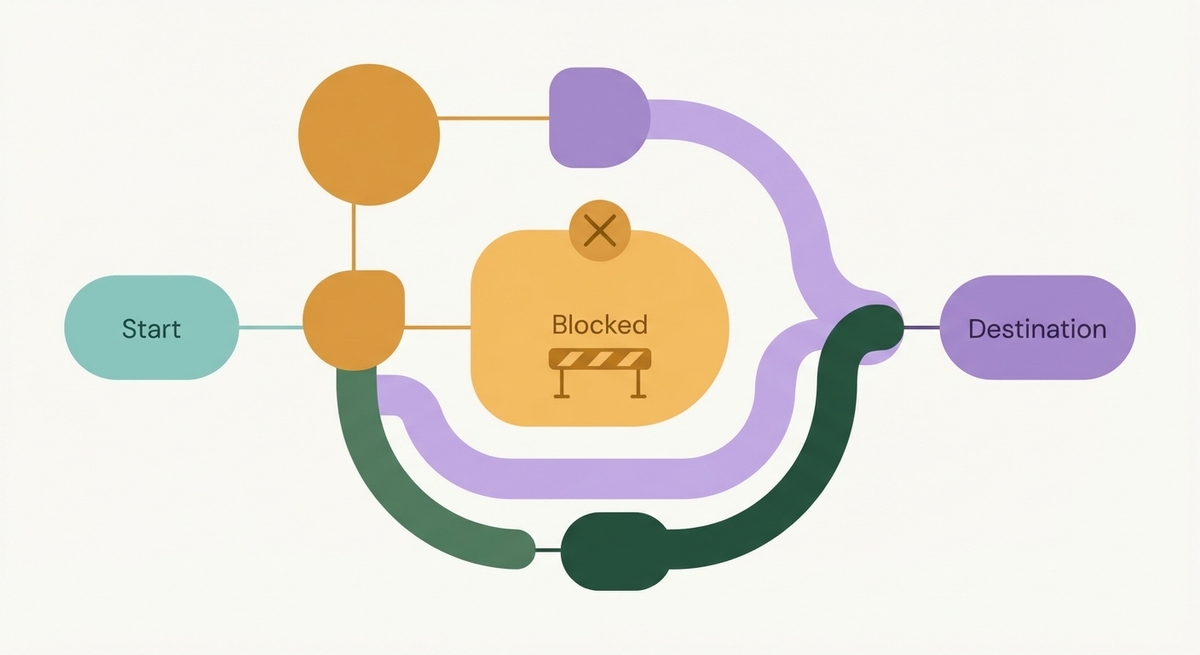
7 Actionable Hacks to Bypass Paralysis

Visual Strategy: The ‘Stupidly Small’ Steps Ladder
Big tasks feel heavy. You must reduce the task until it sounds silly. Do not write “clean the kitchen.” Write “put one spoon in the dishwasher.” Lowering the activation energy (the effort needed to start) breaks the invisible wall.
Once you start, momentum often takes over. If you want to learn practical ways to bypass executive dysfunction, breaking tasks down is key.
The ‘Fake Urgency’ Protocol
Since we lack steady motivation, we can create fake deadlines. Invite a friend over in an hour. Suddenly, the messy living room is an urgent problem. This triggers an adrenaline rush.
The rush pushes you past the block. Just use this carefully to avoid burnout (severe physical and mental exhaustion). Do not use this trick every single day.
Body Doubling: How to Co-work Alone
Doing things alone is hard. Body doubling (working alongside another person) anchors your focus. You can sit with a friend at a Portland coffee shop. Or, you can join an online video call.
The presence of someone else keeps your brain engaged. You do not even have to talk. Just being near someone helps.
Sensory Hacks for Hygiene Tasks
Brushing teeth or showering can feel awful. Change the sensory input. If mint toothpaste burns, use a mild fruit flavor. If the bathroom lights are too bright, shower in the dark.
Adjusting your environment helps you manage sensory overload as an AuDHD adult. Make the task feel safe for your body.
The ‘Might As Well’ Method
Transitioning between tasks is tough. Use natural transitions to your advantage. If you get up to use the restroom, you are already moving.
Tell yourself you might as well grab a water glass on the way back. Linking small chores to existing movement saves energy.
The ‘Five-Minute Rule’ for Chores
A messy house feels impossible to clean. Set a timer for just five minutes. Promise yourself you will stop when it rings. Often, starting is the hardest part.
Once the timer ends, you might decide to keep going. If not, five minutes is better than zero. You still made progress.
Gamify Your Boring Routines
The AuDHD brain loves novelty and play. Turn boring chores into a game. Try racing a song to see if you can finish folding clothes before it ends.
Or, use a digital app that rewards you with points for finishing tasks. Adding fun replaces the missing motivation.
Managing the Emotional Fallout
Struggling with daily tasks causes deep shame. You might feel broken. You are not. Your brain just needs different tools. On a cloudy, 66-degree PNW day, give yourself grace. If all you did was rest, that is okay. Healing takes time and patience.
You do not have to fix everything at once. Discover how to break through task paralysis without using shame. Start with one small hack today. If you need more support, reach out to our clinic. We understand how your brain works. We are here to help.
Ready to Learn More?
If you’re exploring neurodivergence, Haven Health offers validating, non-pressuring Adult Autism Assessments and ADHD Assessments in the Pacific Northwest. Reach out today to start your journey.
This content is for educational purposes only and is not a substitute for professional medical advice, diagnosis, or treatment. If you have concerns about autism, ADHD, or any other health condition, please consult a qualified healthcare provider.


